
Calamities left with unhealed scars in the lives of individuals. Recovering from such catastrophes requires great versatility and resilience. In every disaster zone, we can witness people gripped by fear and hopelessness and a heap of debris all over the crisis zone.
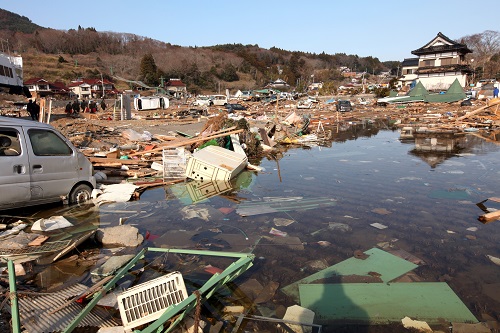
The mysterious calamities produce a humongous sum of waste. From concrete, wood, steel, furniture, electronic gear, normal clay, mud, trees, and the list goes on. It is called the post disaster waste. The concept of post disaster management should be prioritised which includes mitigation, preparedness, response.
Each disaster produces different wastes: primary waste (debris, vegetative waste, carcasses, etc) and secondary waste (food packets, water bottles, excreta, medical waste, etc from relief works). These waste differs in characteristics and thus sustainable management of these waste is a huge challenge.
Firstly, the nature and amount of waste are enough to delay or even hinder rescue operations. The presence of huge boulders and rocks, muddy soil, etc can hinder the movement of troops for rescuing and relief. This can take a toll on saving lives and providing necessary medication.
For instance, floods collect degradable and non-degradable waste on their way. Along with it, it brings mud, clay, and gravel. They will be mixed together, creating a mixed disaster waste.
In another case, it is complicated if a disaster happens near industrial facilities or a critical infrastructure like chemical or nuclear plants. There is a high chance of toxic elements being leaked or mixed with the environment or the accumulated waste.
Both the cases: mixed disaster waste and toxic waste are high-risk cases. Primarily, separation of these waste is a herculean task. It requires deep technical expertise, research and manpower. It demands great attention for recycling, managing, or even to transport such wastes.
In India, a provision for Post Disaster Needs Assessment (PDNA) has been made. PDNA is an internationally recognised procedure of estimating the physical damages, economic losses, and costs of meeting recovery needs after a natural disaster using a government-led process.
However, the success of PDNA in India depends on many factors: its seamless implementation across all the bodies, inclusivity, and considering the distant characteristics of the population. In short, PDNA must be dynamic in its nature. For this reason, India has to step up its vision and mission in post-disaster management.